
AI Memory Stocks: real opportunity or temporary spike?
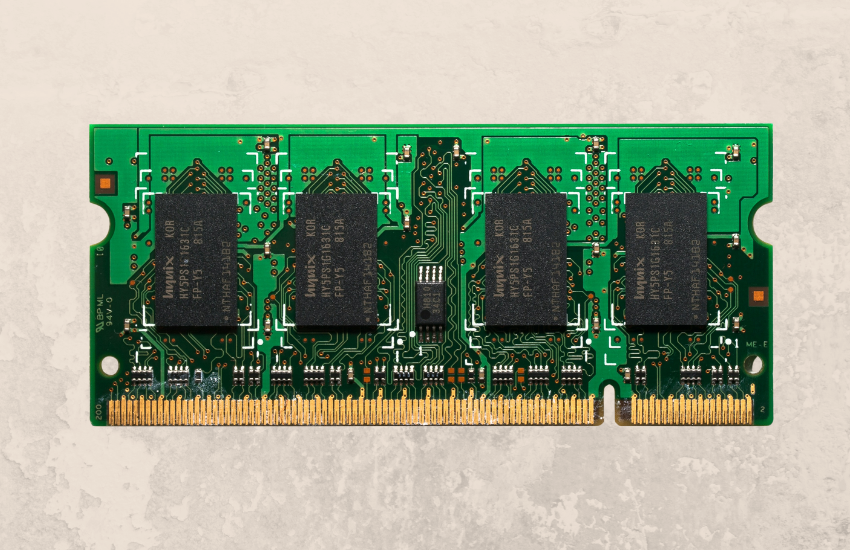
AI infrastructure has created one of the most intense memory shortages the semiconductor industry has ever seen. Companies like Micron, Seagate, Western Digital, and SanDisk have been at the center of this boom, and the volatility that followed.
Below is a breakdown of the opportunity, the risks, and whether the sector still has legs.
The memory types that matter for AI
AI workloads rely mainly on three categories:
1. DRAM (Dynamic RAM)
Used for fast, short‑term data access in AI training and inference.
Leaders: Micron, SK Hynix, Samsung.
Micron is sold out of DRAM supply for all of 2026 due to AI demand.
2. HBM (High‑Bandwidth Memory)
The most critical memory for AI accelerators (e.g., Nvidia GPUs).
Leader: Micron (HBM3E, HBM4), SK Hynix.
Micron’s HBM4 delivers 2.8 TB/s bandwidth and is fully booked for 2026.
3. NAND / Storage (SSD & HDD)
Used for data center storage, model checkpoints, and retrieval.
Leaders: Seagate (HDD), Western Digital (HDD + NAND), Micron (NAND).
Seagate’s entire 2026 nearline HDD capacity is already committed.
AI infrastructure relies on two very different types of companies: memory manufacturers and storage providers. Memory manufacturers produce the DRAM, HBM, and NAND chips that power AI accelerators. Storage companies, on the other hand, build the systems that hold the massive datasets AI models need. Both groups benefit from AI demand, but for different reasons, and they carry different risk profiles.
Memory Manufacturers (DRAM, HBM, NAND)
These companies manufacture the actual memory chips that power AI accelerators and servers. Their revenue is directly tied to:
- GPU shipments
- AI model size
- HBM shortages
- DRAM pricing cycles
Key Players
- Micron — DRAM, HBM, NAND
- SK Hynix — DRAM, HBM, NAND
- Samsung — DRAM, HBM, NAND
- Western Digital — NAND (but not DRAM/HBM)
Why this group matters
This is where the AI memory bottleneck is happening. HBM demand is so strong that:
- Micron is sold out through 2026
- SK Hynix is expanding capacity aggressively
- Samsung is trying to catch up in HBM4
This group is the purest play on AI memory demand.
Storage Companies Needed for AI
These companies do not manufacture memory chips. They build the storage infrastructure that AI data centers need to store:
- training datasets
- embeddings
- checkpoints
- logs
- retrieval corpora
- inference outputs
This is a different business model and a different investment thesis.
1. HDD Storage (Magnetic Storage)
Used for cheap, high‑capacity storage. Critical for AI because datasets are massive and must be stored somewhere.
Leaders
- Seagate
- Western Digital
Seagate’s 2026 nearline HDD capacity is already fully booked: a strong sign of structural demand.
2. Flash Storage Systems (NAND‑based arrays)
Used for high‑performance AI pipelines, especially:
- RAG systems
- fast training data access
- low‑latency inference storage
Leaders
- Everpure (formerly known as Pure Storage)
- NetApp
- Samsung
- Sandisk
These companies buy NAND from Micron/Samsung/Hynix and build enterprise systems on top of it.
Why memory stocks surged
The AI boom forced hyperscalers to build massive data centers requiring unprecedented amounts of RAM, HBM, and storage. This created a structural shortage, not a cyclical one. Supply is not expected to catch up before 2027.
Why they dropped recently
Two main reasons:
1. Fears that the memory shortage might be easing
This triggered a broad sell‑off.
2. A new technology announcement: Google’s TurboQuant
TurboQuant is a memory‑compression algorithm that reduces the memory footprint of large models. Investors worried it could reduce DRAM/HBM demand.
Does TurboQuant represent a real threat?
Short answer: Not in the near term.
- Compression reduces memory per model, but models keep getting bigger.
- Hyperscalers are still fully booking HBM and HDD capacity through 2026.
- Micron and SK Hynix remain sold out of HBM.
- Storage needs (HDD + flash) continue to grow with dataset size.
TurboQuant slows the curve, it doesn’t reverse it.
Bottom line for investors
The sector still has strong multi‑year potential. The shortages are structural, not temporary, and AI infrastructure build‑out is far from over.
The recent drop was driven by fear, not fundamentals.
Compression technologies like TurboQuant are worth monitoring, but they do not eliminate the need for:
- high‑bandwidth memory (HBM)
- DRAM
- massive storage (HDD + flash systems)
The key decision for investors is whether they believe:
- AI infrastructure spending continues rising
- memory remains a bottleneck
- supply stays tight through 2027
If yes, the sector still has room to run. If not, volatility may outweigh the opportunity.
Between the two groups, memory manufacturers currently offer the more direct exposure to the AI build‑out. HBM and DRAM remain the primary bottlenecks in AI hardware, and supply is sold out well into 2026–2027. Storage companies also benefit from AI, but their growth is steadier and less tied to the explosive demand for accelerators. In short: memory manufacturers capture the sharper upside, while storage providers offer a more stable, infrastructure‑driven opportunity.
